
How Gratitude Boosts Mental Health for Breastfeeding Moms

How Gratitude Boosts Mental Health for Breastfeeding Moms
Mothers are under enormous emotional pressure to do it all “right.” Breastfeeding challenges create extra stress. However, using “gratitude practices” helps. This science-based technique is breastfeeding support that can improve a mother's mental health, including postpartum depression.
Understanding the Connection Between Breastfeeding and Mental Health
Breastfeeding is a beautiful experience, but it's hard. Mom is sleep-deprived, hormones are up and down, and she faces challenges with the process itself. Her emotional health is also under stress.
This affects her mental health and well-being. Health professionals note that Post-Partum Anxiety (PPA) or Post-Partum Depression (PPD) are extremely common.
According to the Centers for Disease Control, 1 in 7 women experience postpartum depression. A 2021 report in the Journal of Affective Disorders notes, “Breastfeeding challenges increase maternal anxiety and stress.”
The World Health Organisation cites that 10% of pregnant women worldwide and 13% of postpartum mothers experience mental health symptoms, mostly depression. Healthcare professionals note that postpartum depression impacts both moms and babies.
Common Emotional Experiences of Breastfeeding Moms
|
Emotional Change |
Frequency (%) |
Research Source |
Year |
|
Anxiety |
20–25% |
Journal of Affective Disorders |
2021 |
|
Mood swings |
40–60% |
APA |
2022 |
|
Low confidence |
30% |
NIH Maternal Health Study |
2021 |
What Is Gratitude and Why Does It Matter for New Mothers?
“Gratitude” isn’t some squishy concept; it has proven psychological benefits for breastfeeding women during times of stress, like the postpartum period.
Gratitude is simply acknowledging positive things in your life – no matter how small. This shifts focus from a stress response to one of emotional resilience. According to the National Institute of Health, this creates a better mental state.
“Gratitude practices significantly reduce symptoms of depression and anxiety.” — Greater Good Science Center, UC Berkeley, 2020
The Science: How Gratitude Improves Mental Health
Sleep deprivation contributes to developing postpartum depression and postpartum anxiety. Perceived insufficient milk supply creates worry and guilt. So can failure to initiate breastfeeding. These mental health conditions affect breastfeeding mothers and infant feeding outcomes.
Practicing gratitude impacts brain activity in the prefrontal cortex. It helps manage stress, anxiety, and negative emotions.
Simple gratitude practices are scientifically shown to combat maternal depression and improve mental health.
Gratitude Lowers Stress Hormones (Cortisol Reduction)
According to a study cited by UC Davis, practicing gratitude lowers the stress hormone cortisol by 23 percent. A 2019 study in the Journal of Psychosomatic Research found that keeping a “gratitude journal” also reduced cortisol levels by 23%.
Gratitude Activates Brain Regions Linked to Joy & Bonding
Gratitude “lights up” regions of the brain connected to feelings of joy, bonding, and contentment. Functional MRI findings done by the Mindfulness Center at UCLA show this in a physical way.
Why Gratitude Helps Breastfeeding Moms Specifically
Gratitude is a powerful tool for navigating postpartum depression and other emotional challenges of breastfeeding. Many moms feel like a failure when their milk output fluctuates or if they’re having other breastfeeding difficulties. Social media and mom groups create unrealistic expectations and comparisons. Practicing gratitude brings you back to the “now." This creates moments of calm, especially during difficult feedings or long nights.
A 2020 article in Harvard Health notes that gratitude releases the hormone oxytocin. This helps the milk “let down” reflex, strengthens the bond between you and baby, and provides feelings of pleasure. It can even help relieve some breastfeeding pain.
Real Stories: How Gratitude Transformed Breastfeeding Journeys (Case Studies)
Lactation support groups like La Leche are filled with stories from mothers who found that practicing gratitude helps them navigate breastfeeding difficulties. Here are some examples of how to incorporate gratitude.
Case Study #1: “I Started Noticing the Small Wins Instead of the Problems.”
Every nursing mom faces challenges and setbacks. Finding gratitude in tiny things, like a helpful lactation consultant, reframes the journey. That approach reduces anxiety and helps with supply consistency.
Case Study #2: “My Gratitude Notes Helped Me Through Pumping Burnout.”
Breast pumping is time-consuming and creates anxiety around schedules. Appreciating the positives, like a partner who cleans the parts, motivates you through this tedious process. It strengthens emotional control when you feel you’re a slave to the pump.
Expert Insights: What Psychologists & Lactation Consultants Say
Because gratitude practices have a positive impact on the brain's pleasure centers, it’s helpful for managing the stress and anxiety that result from postpartum depression or breastfeeding difficulties.
Gratitude releases oxytocin. That helps with milk production by triggering the “let-down” reflex that helps milk flow.
PPD and PPA release cortisol that blocks oxytocin. Having a gratitude mindset counters that reaction and combats poor maternal mental health.
A gratitude practice doesn’t need big changes. It's noticing the small things that are going well in your life. The cumulative impact of little shifts positively impacts the postpartum period.
“Gratitude practices activate the same neural pathways as bonding hormones. This makes them uniquely helpful for breastfeeding mothers.” — Licensed Clinical Psychologist
Comparison: Gratitude vs Other Mental Wellness Tools
Mental Wellness Approaches for Breastfeeding Moms
|
Method |
Benefits |
Limitations |
Best For |
|
Gratitude practices |
Free, science-backed, can be done anytime |
Takes consistency |
Moms with stress/anxiety |
|
Meditation |
Reduces stress |
Requires quiet time |
Moms with older babies |
|
Journaling |
Emotional clarity |
Time-consuming |
Moms with PPA symptoms |
|
Therapy |
High impact |
Cost/time |
Moms with intense symptoms |
Hidden Truths About Mental Health & Breastfeeding

The emotional load that breastfeeding moms experience (guilt, worries about a low supply) seriously affects their mental health. Social media amplifies comparisons to other moms.
The typical well-meaning response is for her to “just relax.” That’s not helpful because it implies she’s doing something else wrong by feeling stressed or worried.
Gratitude practices are a better way.
- Start a “gratitude journal.” At least once a week, note anything you’re grateful for.
- Mental “subtraction.” Imagine something/someone not being there. That helps you appreciate it more.
- Use daily cues. When having coffee or brushing your teeth, think of a few things you appreciate.
- Each day, list three good things, no matter how small.
Gratitude isn’t mindless "toxic positivity"; it’s backed by neuroscience. The brain reacts in healthier ways. By focusing on the positive, you reduce feelings of stress and “mom guilt," which factors into poor maternal mental health and reduced breastfeeding rates.
FAQs: Gratitude & Breastfeeding Mental Health
Can gratitude reduce postpartum depression symptoms?
Yes! According to the Anxiety & Depression Association of America, feelings of gratitude actively challenge negative thinking, typical of postpartum depression and poor mental health.
It's also helpful during breastfeeding cessation as the mother moves to a new stage.
How soon can I feel results?
Everybody is different. However, creating regular gratitude habits shifts your mindset in the moment and has a cumulative effect on overall mental health.
Do gratitude practices increase milk supply?
A connection between PPA/PPD and breastfeeding is stress. Stress releases cortisol, which blocks oxytocin. Oxytocin is needed for milk to flow. Gratitude helps correct that balance.
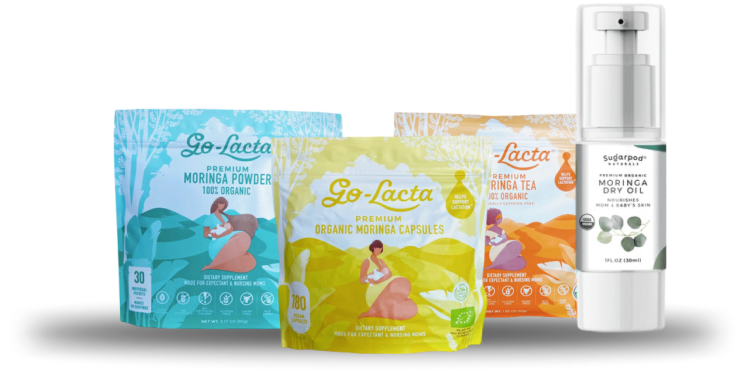
You may need some additional support to boost supply, such as a natural galactagogue like Go-Lacta Moringa.
Can gratitude help pumping moms, too?
Absolutely. Pumping is tedious, physically demanding, and creates stress around schedules. Focusing on gratitude makes those sessions better for your mental health.
Conclusion: Gratitude Is a Gentle, Powerful Support Tool for Breastfeeding Moms
Whether it's help from family members or a natural supplement to ensure enough milk, breastfeeding moms need support. It's not just physical; support for their mental health is equally important to combat their emotional and physical changes. A gratitude practice is a gentle tool to combine with breastfeeding practices; it provides resilience and calm, especially when facing breastfeeding difficulties.
The emotion of gratitude is scientifically shown to improve brain function, strengthening areas associated with joy, connection, and happiness. That not only helps Mom emotionally, but physically too, combating the stress and guilt that often interfere with breastfeeding.
Gratitude is also a wonderful tool if the mother is experiencing early breastfeeding cessation. The decision to bottle-feed or choose formula feeding vs the breastfeeding process can trigger complicated feelings in breastfeeding parents. Gratitude helps navigate the process of early cessation.
At every stage, recognizing everything that's good or going well is an effective way to handle breastfeeding challenges.
Go-Lacta is all about supporting mamas on their journey. A gratitude practice improves the experience of breastfeeding and mental health, eases breastfeeding difficulties, and makes infant feeding more satisfying! Put this one in the toolbox to better manage this chapter of motherhood.

Angela Veloso

Angela Veloso is the founder of Go-Lacta, a brand dedicated to supporting breastfeeding mothers through the power of organic Philippine Moringa. She's passionate about helping moms nourish their babies naturally with clean, science-backed lactation supplements.




Leave a Comment
Your email address will not be published. Required fields are marked *