
Women Who Nourish the World: The Power of Generational Support in Motherhood

Women Who Nourish the World: The Power of Generational Support in Motherhood
Behind every mother is another woman who helped her. A mother. A grandmother. A midwife. A friend who showed up with food and stayed long enough to matter.
This isn't a modern idea. It isn't trending. Mothers have always needed more than information. They've needed reassurance, relief, and the feeling that someone is standing with them. That’s what generational support in motherhood has always delivered, across every culture, every century.
Behind Every Mother Is Another Woman
There's a reason the phrase "it takes a village" has outlasted every era in which it was spoken. Because it's true.
When a woman becomes a mother for the first time, she doesn't just need sleep. She needs someone who has been through pregnancy and the first child haze, someone who can say with certainty: "you're not failing. This situation is just hard. And you're not alone."
That kind of reassurance doesn't come from a pamphlet. It comes from other women who have lived it. And the research is detailed: moms who feel personally supported tend to experience less anxiety, depression, and stress during their postpartum life. That's the foundation everything else is built on.
The Hidden Support Systems That Help Mothers Thrive
Not all support systems are visible. Some are loud and obvious (the grandmother who moves in for the first month, the mom friends who check in daily). Others are quieter but carry just as much weight.
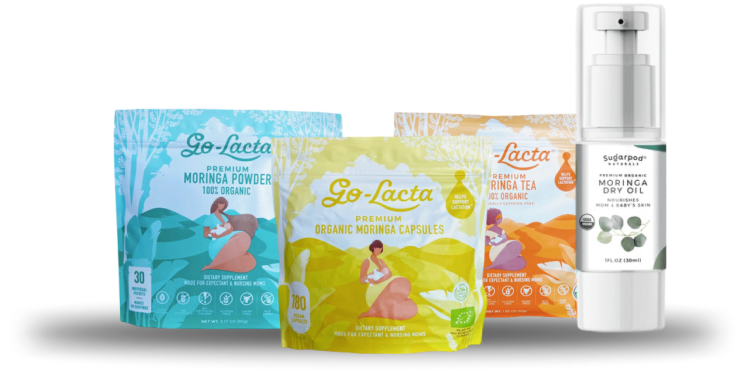
A text message at midnight. A partner who takes the baby so she can rest. A lactation consultant who helps with a difficult latch. An organic moringa superfood powder from a trusted brand like Go-Lacta helps replenish what postpartum life depletes.
Each piece of this support system strengthens the chain. When women support women, breastfeeding becomes more sustainable. When mothers feel supported, babies thrive.
Most new mothers don't realize how much they need until they're already in it. The exhaustion, the identity shift, the physical recovery from birth. A strong support network isn't a luxury. It's what makes the whole journey sustainable.
How Women Have Passed Down Motherhood Support Through Generations
Across cultures and centuries, breastfeeding was never meant to be done alone. Women gathered. They shared techniques, remedies, meals, and conversation. They passed down herbal knowledge and practical wisdom. The kind no search engine carries.
In many parts of the Philippines and across Asia, moringa leaves have been brewed into soups and teas for generations, shared between mothers as both nourishment and knowledge. In West African communities, postpartum traditions involve months of rest, supported by elder women who cook and guide the new mother through the recovery period.
In Latin America, the "cuarentena," a 40-day postpartum rest period, reflects a collective understanding that mothers need care, not pressure to bounce back.
Cultural preservation occurs when these traditions are carried forward. When grandparents pass down family history, traditional recipes, languages, and rituals, they're building the foundation a new mother stands on.
Grandparental involvement, particularly from maternal grandmothers, helps relieve a mother's perceived parenting stress and enhances overall family strength.
That's generational support in its most elemental form.
The Role of Generational Wisdom in Breastfeeding Support

Breastfeeding, in particular, has always been communal knowledge. When women nurtured each other through it, surrounded by others who had done it before, the information passed naturally. The right positioning. The foods that encourage supply. The reassurance that early struggles are normal, not permanent.
As a 2023 report from the National Academies of Sciences, Engineering, and Medicine notes, "family members pass down generational beliefs, practices, and cultural norms, which can shape or reinforce attitudes related to breastfeeding."
This is observable in multi-generational households across cultures, where breastfeeding rates are often higher, and mothers are less likely to quit in the early weeks.
High-quality support from grandparents also serves as a protective factor against postpartum depression. Regular, supportive input from previous generations reduces feelings of loneliness, guilt, and stress among first-time mothers.
That's generational wisdom doing exactly what it was always meant to do.
Why Modern Mothers Often Feel More Isolated
So if all of this support has always existed, why are so many modern moms searching for it?
The answer is structural. Nuclear households replaced multi-generational ones. Geographic mobility separated families. The expectation that a mother should manage everything independently grew quietly into a cultural norm. And the support that used to be built into daily life quietly disappeared.
The structure of modern parenting has shifted significantly, with parents, and especially mothers, carrying greater loads with less intergenerational proximity than previous generations ever did.
Early parenthood without a nearby support network can feel isolating in a way that would have been almost unimaginable to prior generations.
Mothers can experience feelings of isolation during the transition into motherhood. It's one of the most common and least discussed aspects of raising a new baby. And when isolation becomes the norm, breastfeeding rates drop, mental health suffers, and the whole postpartum life becomes harder than it has to be.
The Tradition of Women Supporting Women in Motherhood
There's a unique aspect to the support that comes from other mothers. Other moms understand in a way no one else quite can. They've been there at 2 a.m., questioning their supply, and they keep going anyway. When women support women through these shared experiences, something genuinely meaningful happens.
Feeling connected and validated can help mothers cope with mental health conditions such as anxiety and depression. A nurturing environment created by a group of mothers helps build a sense of community and safety.
Moms who connect frequently with other moms in their neighborhood tend to have greater well-being. And mothers who feel connected to their own mothers often experience a stronger sense of emotional support throughout it all.
The Modern Mama Chain: New Forms of Support
Support looks different now. That doesn't make it less real. Today, the mama chain shows up in new forms:
- A partner who takes the night feed so she can sleep in two-hour stretches
- A text thread with mom friends who respond to voice notes instead of recipes
- A lactation supplement that helps a mother maintain her supply through the exhaustion of early weeks
- A lactation consultant guiding a difficult latch over video call
- An online community where other mothers are always awake, always answering
Each connection here strengthens the chain. The medium has changed. The meaning hasn't.
Nourishing Mothers So They Can Nourish Babies

Here's the truth: you cannot give what you don't have.
A mother who is depleted cannot pour into her new baby the way she wants to. Physically, nutritionally, emotionally: all of it is connected. Intergenerational support offers crucial practical aid like childcare, cooking, and household help, especially for working mothers. It isn't an indulgence. It's how mothers stay whole enough to do the work.
Nourishing yourself is part of nourishing your baby. That applies to the food you eat, the rest you choose, the support you accept, and the community you build. A warm cup of moringa tea in the evening acts as a small daily ritual that says that “you matter too.”
Moms who feel personally supported tend to feel less anxiety, depression, stress, and loneliness and more life satisfaction and fulfillment. High levels of perceived support from a mother's own parents can directly improve her ability to provide warmth and responsiveness to her child, leading to better developmental outcomes for the next generation.
Mothers as Leaders in Nurturing Communities
Mothers don't just receive care. They create it.
When mothers come together, they not only survive postpartum life. They build something. They spend time lifting each other, celebrate wins, and show up on hard days. They model for their daughters what it looks like to ask for help, to offer it generously, and to pour into a community without disappearing into yourself. Mothers can inspire and uplift entire communities when they band together, and daughters watch every bit of it.
Generational support can also help interrupt the transmission of maladaptive parenting styles, creating healthier environments for their own children and those that follow.
Supporting Mothers Through Community and Care
Building a support network doesn't require a perfect extended family or the luxury of living close to your own mother. It requires intention.
Here's what that can look like:
| Type of Support | Examples | Impact |
|---|---|---|
| Emotional support | Mom friends, online communities, support groups | Reduces anxiety, depression, and isolation |
| Informational support | Lactation consultants, experienced moms, pediatricians | Builds confidence, improves outcomes |
| Practical support | Partners, family, neighbors helping with life logistics | Reduces stress, improves overall well-being |
| Nutritional support | Go-Lacta moringa supplements and nourishing meals that replenish what breastfeeding takes | Sustains energy and milk supply |
Mothers can create their own support networks, which can be just as powerful as relying on family. The relationships formed with other moms carry real benefits, enhancing well-being in ways that extend into the future, far beyond the newborn stage.
Conclusion: Carrying Forward the Tradition of Support
We don't only pass down genetics.
We pass down rituals of care. The tea is brewed in the evening. The moment of rest is chosen intentionally. The decision to nourish ourselves so we can nourish others. And there is hope in that. In a society that often expects mothers to manage alone, the words and presence of another woman who has been there make all the difference. This is how strength travels across generations. This is how women continue to nourish the world.
Whether you're welcoming a new life or holding space for another mother through it, Go-Lacta community is here as part of that chain. Not just as a supplement. As a daily act of care for yourself, so you can keep showing up for your baby.
Frequently Asked Questions
What is generational support in motherhood?
Generational support in motherhood refers to the wisdom, practical help, and emotional care that passes between women across generations, from grandmothers to mothers, from experienced moms to new ones.
It includes cultural knowledge about breastfeeding, postpartum recovery rituals, hands-on help with childcare, and the emotional reassurance that someone has been through it before. Generational support in motherhood significantly reduces stress, boosts confidence, and fosters secure attachments between mothers and their children.
Why is support important for breastfeeding mothers?
Support is one of the most significant factors in breastfeeding success. Mothers who feel supported are more likely to initiate breastfeeding, sustain it through the difficult early weeks, and continue beyond the newborn stage.
Both emotional support and informational guidance, from other mothers, lactation consultants, and family, can make all the difference when supply challenges or exhaustion make breastfeeding feel impossibly hard.
How did women traditionally support breastfeeding mothers?
Historically, breastfeeding was communal knowledge passed through direct experience. Women gathered and shared herbal remedies, feeding techniques, and practical wisdom.
In many cultures, plants like moringa were used as lactation aids and passed between mothers across generations. Postpartum traditions across the world included extended rest periods, with older women managing the household while a new mother recovered.
Why do many modern mothers feel isolated during breastfeeding?
Modern life has gradually dismantled the informal support structures that once surrounded new mothers. Nuclear households, geographic distance from family, and cultural expectations of independence all contribute.
Many mothers in the postpartum period manage breastfeeding largely alone, without the community knowledge that previous generations accessed daily. Without that social support, even minor challenges can feel insurmountable.
How can modern mothers build a support network?
Building a support network starts with intention. Connect with mom friends in your neighborhood or online. Lean on a partner or family member for practical help. Work with a lactation consultant for professional guidance. And consider the role daily rituals play: nourishing foods, an evening cup of organic moringa tea as a moment just for you, and a lactation supplement that replenishes what postpartum life depletes, in building a support system that begins with yourself.
Want to understand how lactation supplements work and whether moringa is right for your breastfeeding journey? Start by learning what a galactagogue is and why generations of mothers have trusted it.

Angela Veloso

Angela Veloso is the founder of Go-Lacta, a brand dedicated to supporting breastfeeding mothers through the power of organic Philippine Moringa. She's passionate about helping moms nourish their babies naturally with clean, science-backed lactation supplements.






Leave a Comment
Your email address will not be published. Required fields are marked *