
The Wisdom of a Mother's Body During Pregnancy & Breastfeeding

The Wisdom of a Mother's Body During Pregnancy & Breastfeeding
Motherhood has a way of making you question yourself. Is the baby getting enough? Is your milk supply where it needs to be? Am I actually doing this right? Those questions circle back constantly for most new mothers. But beneath all that uncertainty lies something worth remembering: a body built for exactly this.
Your body during pregnancy and breastfeeding is not running on guesswork. It draws on a biological intelligence shaped over thousands of years, adjusting, protecting, and responding before you've had a single conscious thought about it. Getting familiar with what's actually happening inside you doesn't just quiet the doubt. It gives you something real to stand on.
That matters more than people let on. Modern life does not make it easy to feel sure of yourself during this season. When you understand the science behind what your body is doing, that confidence becomes something you can actually hold onto, even on the long nights when the questions don't stop. You're not navigating this blind. You're working with a system designed long before you arrived, and it knows a great deal more than you've been given credit for.
What Your Body Does During Pregnancy That Most People Never Hear About
Pregnancy changes you in ways that go far beyond what you can see in a mirror. Some of the most significant shifts are happening quietly, below the surface, and most women are never told about them.
Your blood volume increases by roughly 50% during pregnancy to prioritize the developing fetus and support both of you at every stage, according to data from the National Library of Medicine. Hormones move in waves, preparing your body for birth, for milk, and for recovery before any of those things have actually arrived. Your uterus, immune system, metabolism, and brain all reorganize themselves around the life you're growing. None of it is random. Every shift has a purpose.
Here is the part most women never hear: fetal stem cells can cross the placenta and take up residence in your organs, sometimes for decades. Research shows these cells can differentiate into functional tissue and assist in maternal wound healing. Your child, in a very real biological sense, leaves a piece of themselves with you long after the birth experience is over. Scientists call this microchimerism. It is one of the quieter wonders of the whole thing.
Pregnancy also places real demands on your skeletal and immune systems. Your body redirects calcium stores for fetal bone development. Your immune tolerance shifts so your body accepts rather than rejects the life growing inside you. These are not passive adaptations. They are active, targeted decisions happening in real time on your baby's behalf.
Many expecting mothers also begin exploring gentle, body-safe options early in this stage, from nutrient-dense whole foods to topical applications like moringa oil pregnancy routines that help with stretch marks and dry skin as the body changes shape.
Your Brain Adapts to Help You Care
Here's something that surprises most people: pregnancy triggers a reduction in grey matter. That sounds alarming until you understand what it actually means. It is not declining. It is pruning, a focused sharpening of neural pathways that improves your ability to read your baby's cues, recognize needs quickly, and detect threats. The brain does not get worse. It gets more precise.
This is part of what makes a first pregnancy so formative, even beyond the birth itself. The brain reorients itself around your child in ways that shift how you take in the world. That heightened attunement you feel is not anxiety. It is your design doing exactly what it was built to do.
This is the wisdom of a mother's body during pregnancy breastfeeding, expressed in some of its most concrete biological terms. Your body is not simply sustaining a pregnancy. It is already learning how to mother.
The Biology of Connection Starts Before Birth
The physical and emotional bonding between mother and child does not begin at delivery. It starts in the womb, through movement, through hormones, through the quiet biological exchange happening every hour of those nine months. The oxytocin produced during labor then becomes the engine behind the deep emotional bonding that continues through breastfeeding and skin-to-skin contact in those early days.
And that contact is doing more than you might think. Skin-to-skin time right after giving birth activates the hormonal systems behind feeding and bonding, regulates your baby's temperature and stress response, and builds their earliest sense of safety. What feels like closeness is also communication. The body starts a conversation in those first moments, one that it carries on for months.
How Breast Milk Thinks For Itself
Here's the one that tends to stop people in their tracks, genuinely: breast milk is not a fixed formula. It is a living, responsive fluid that adapts to what your baby needs.
As Dr Tonse N.K. Raju, Medical Officer at the Pregnancy and Perinatology Branch of the National Institute of Child Health and Human Development at the NIH, writes in Breastfeeding Medicine, "An infant suckling at his or her mother's breast is not simply receiving a meal but is intensely engaged in a dynamic, bidirectional, biological dialogue." Physical, biochemical, hormonal. It is built to transfer nutrients and build a lasting bond simultaneously.
Breast milk adjusts during growth spurts. It shifts throughout the day, with evening milk containing more sleep-promoting compounds than morning milk. When your baby gets sick, your body picks up signals through saliva feedback during feeding and responds by increasing immune-supportive factors in the milk. Supply follows demand. Composition follows need.
None of this is a coincidence. It is the body doing what it was designed to do.
What's Actually in Breast Milk
No lab has come close to fully replicating it. Breast milk delivers vitamins, minerals, healthy fats, antioxidants, and antibodies in a combination calibrated to your baby's current stage of development. Colostrum, that first milk produced right after birth, is packed with immune factors and has earned the nickname "liquid gold" for good reason. As the weeks pass, the composition keeps shifting. It is always tracking where your baby is, not where they were last month.
Breastfed babies benefit from this in measurable ways from the start: lower rates of infection, stronger immune response, and reduced risk of hospitalization in the first year of life. According to the World Health Organization's guidance on infant and young child feeding, exclusive breastfeeding for the first six months gives a baby's developing body everything it needs during that window.
What Breastfeeding Does for the Baby's Development
The benefits for breastfed babies do not stop at nutrition. They extend into childhood and well beyond. Research shows breastfeeding supports healthy brain development, with the healthy fats in breast milk playing a direct role in cognitive growth. Breastfed babies also tend to show lower rates of social and behavioral problems as they age, partly because caregivers have built trust through consistent, responsive feeding.
Exclusive breastfeeding also helps babies learn to recognize and respond to their own hunger cues, laying the foundation for self-regulation that shapes babies' early behavior through the first year and into childhood. The skin-to-skin contact during each feeding adds another layer, one that researchers consistently link to reduced behavioral problems later on. Breastfed babies also tend to gain weight at a steady, healthy pace in those early months, with research linking breastfeeding to better weight outcomes in adulthood.
The feeding relationship is also how babies first learn to trust caregivers. Hunger cues met reliably. Arms that hold consistently. That becomes part of how a child relates to the world as they grow. The early months of breastfeeding are not just about nutrition. They are a child's first experience of what safety feels like.
The Real Benefits of Breastfeeding for Mothers
The breastfeeding conversation almost always centers on the baby. Understandably. But the benefits for mothers are significant and backed by strong research.
Here's what consistent breastfeeding is linked to for women's health:
- Reduced risk of breast and ovarian cancer, and lower rates of endometrial cancer
- Lower risk of heart disease and high blood pressure in the years after birth
- Protection against type 2 diabetes, particularly for women who had gestational diabetes during pregnancy
- Better mental health outcomes, including reduced rates of postpartum depression, when breastfeeding mothers feel genuinely supported
- Faster uterine recovery, since oxytocin released during feeding helps the uterus return to its normal size more quickly after giving birth
- Weight management support, as breastfeeding burns additional calories and helps with the weight gain that occurs during pregnancy.
The cardiovascular piece deserves attention. A meta-analysis published in the Journal of the American Heart Association reviewed data from nearly 1.2 million women across eight studies and found that women who breastfed had an 11% lower risk of cardiovascular events, 14% lower risk of coronary heart disease, 12% lower risk of stroke, and a 17% lower risk of dying from heart disease compared to women who never breastfed. The protection strengthened with longer durations, up to 12 months of lifetime total.
Not a marginal signal. And the research keeps building on it.
The Emotional Side of It
Every feeding session releases oxytocin. Not just for uterine recovery. For calm. For lowering stress and deepening the emotional bond that comes to define those early weeks. A lot of women describe breastfeeding as one of the most grounding parts of new motherhood, not despite how demanding it is, but somehow because of it. A pause. A moment of just being present with the baby.
Research shows breastfeeding can lower rates of postpartum depression when mothers feel genuinely supported throughout. The link between feeding success and mental health is real and well-documented. But when feeding is hard, the emotional weight can go the other way. This is exactly why early support matters. A lactation consultant, reached sooner rather than later, can catch problems before they compound.
Doubt Is Normal. Your Body's Design Isn't Broken.
Modern motherhood often feels isolated. Without generations of women nearby, without the community that once surrounded new moms in nearly every culture, it is easy to second-guess things that once came more naturally.
But doubt does not undo design. Your body knows how to nourish. It may need rest. It may need nutrients added back. It may need support around it. None of that signals failure. It signals that you are human and that pregnancy and breastfeeding require a genuine amount.
The well-being of new mothers depends on receiving care, not just giving it. That truth rarely gets said. For most of human history, new moms had other women around them who had already walked this path. That loss is real. The doubt that moves into that space makes complete sense. It does not mean your body has failed. It means you are doing something enormous without the village that was always supposed to be part of it.
When Your Body Needs Replenishing
Breastfeeding mothers lose specific nutrients consistently over the course of feeding: iron, calcium, zinc, vitamin B12, and vitamin D. These are not optional stores. They are what your own system runs on, even as you are fueling your baby through every session. This phenomenon is part of why so many mothers turn to supplements to increase milk supply and replenish the nutrients that consistent feeding tends to draw down.
Milk production draws on your reserves when needed. That is not a malfunction. It is the body's priority system at work. Your role is to make sure those reserves get replenished consistently enough that your own health does not quietly pay the price.
Many mothers reasonably wonder, "Do lactation supplements really work?" and the research points to targeted herbal galactagogues as a meaningful part of that replenishment picture. That is where targeted support makes a real difference. Not to correct something broken. To back up something that is already working hard.
Nourishment as Partnership, Not Pressure
True nourishment works with your body. Not against it. Worth holding onto through your own journey.
Moringa breastfeeding traditions stretch back generations across the world, used to support lactation in nursing mothers long before modern research caught up. The leaf is rich in iron, calcium, and antioxidants, exactly the nutrients most depleted during pregnancy and the postpartum period.
A moringa breastfeeding supplement supports the hormonal environment that drives milk production and replenishes what feeding consistently draws down over time. For mothers who prefer a convenient daily format, a moringa capsule for breast milk offers a simple way to stay consistent without adding another step to an already full routine.

This is not about fixing a failure. It is about giving your body what it needs to keep doing what it was designed to do. The broader moringa supplement benefits reach beyond lactation, touching bone health, hormonal balance, and postpartum energy levels as well.
Some mothers also explore a prolactin supplement for breastfeeding when milk supply feels inconsistent, since prolactin is the hormone most directly responsible for signaling the body to produce milk. Reinforcement, not correction. Your body already has the intelligence built in. Nourishment is what sustains it.
| What Moringa Provides | Why It Matters During Breastfeeding |
|---|---|
| Iron | Supports energy and sustained milk production; commonly depleted postpartum |
| Calcium | Critical for bone health while nursing |
| Antioxidants | Help reduce oxidative stress on the maternal body |
| Vitamins A & C | Support immune function for mother and baby |
| Healthy fats | Important for milk quality and the baby's brain development |
When you nourish consistently, you reinforce what is already there. Not replacing it. Backing it up.
The Journey Belongs to You
Every pregnancy is different. Every birth experience carries its own weight. Every breastfeeding journey has its own pace, its own first year of firsts, its own hard stretches and quiet moments worth keeping.
Your journey does not need to look like anyone else's to count. What matters is that you understand what your body is capable of, give it what it needs to do that work, and stop confusing needing support with lacking strength. Those two things are not the same.
Self-care right now is not extra. It is the foundation. The bond you are building, the health you are protecting, the life you are shaping: all of it goes better when you are genuinely supported along the way.
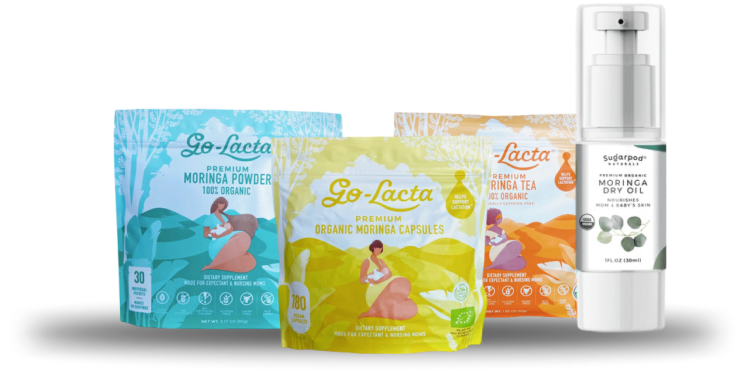
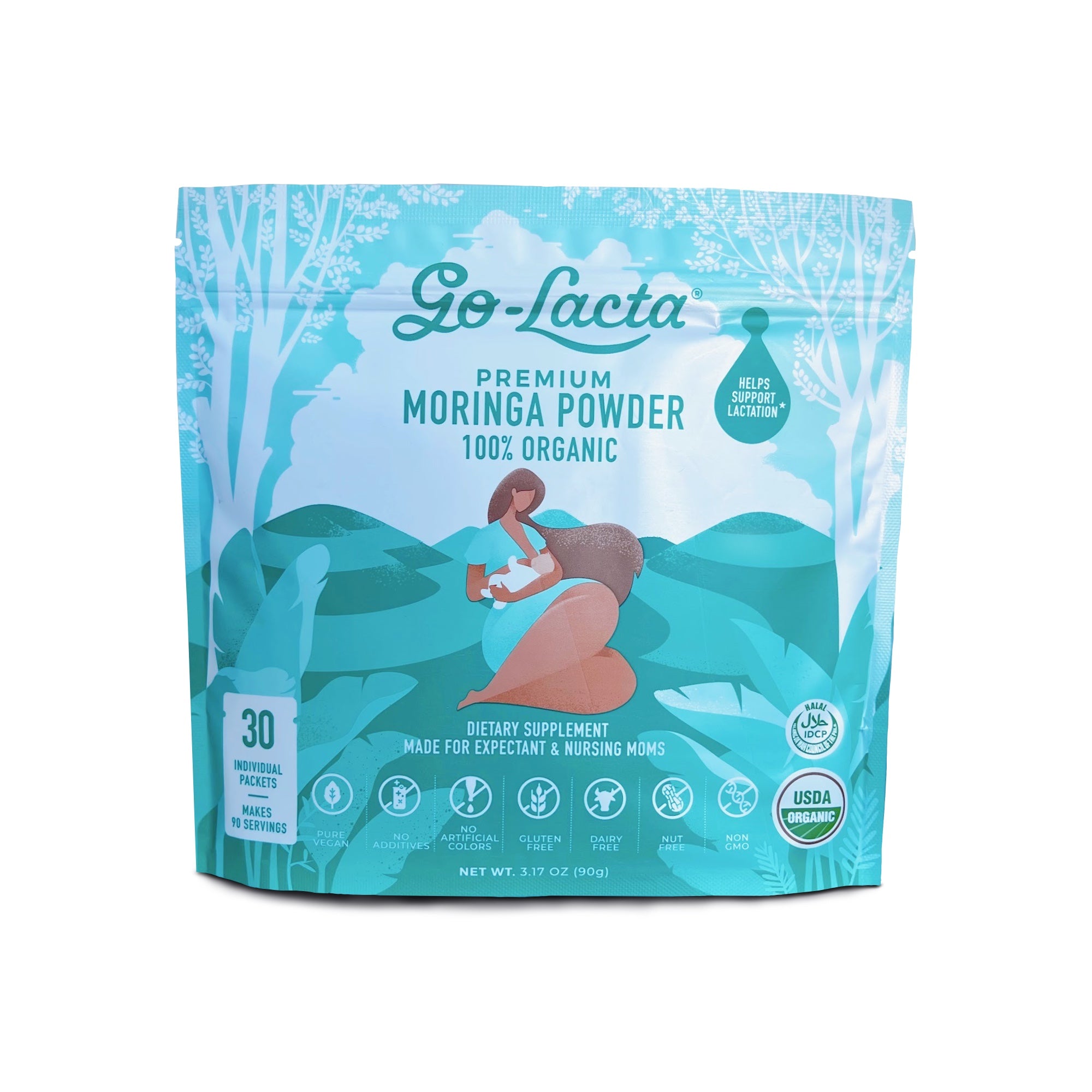
If you're looking for daily support during breastfeeding or recovery, explore how Go-Lacta can complement your body's natural rhythm.
Frequently Asked Questions
How does a mother's body change during pregnancy?
Blood volume rises by roughly 50%. Hormones shift in waves to prepare for birth and lactation. The brain undergoes structural changes that sharpen caregiving instincts. And fetal stem cells actually cross the placenta and can remain in maternal tissue for decades, assisting with wound healing. These changes happen largely without conscious effort and reflect a system built specifically for this.
Does breast milk really change based on what the baby needs?
Yes, and significantly. Breast milk adjusts composition during growth spurts, shifts throughout the day, and increases immune-supportive compounds when the baby is sick. The feeding session itself is a two-way biological exchange: the baby's saliva provides feedback that shapes what the body produces in the next feeding.
What are the long-term health benefits of breastfeeding for mothers?
Lower rates of breast, ovarian, and endometrial cancer. Reduced risk of cardiovascular disease and high blood pressure. Protection against type 2 diabetes. Better mental health outcomes, including lower rates of postpartum depression. A major meta-analysis in the Journal of the American Heart Association found that women who breastfed had an 11% lower risk of cardiovascular events compared to those who never did.
How long should I breastfeed for the best results?
The World Health Organization recommends exclusive breastfeeding for the first six months, followed by breastfeeding alongside complementary foods for continued benefit. That said, any breastfeeding carries real health benefits. The right duration is the one that actually works for you, your baby, and your life.
What nutrients do breastfeeding mothers most commonly lose?
Iron, calcium, zinc, vitamin D, vitamin B12, and vitamin A are the most common depletions. Moringa, used for generations as a lactation support herb, is naturally rich in several of these and helps replenish what consistent feeding draws from the mother's own reserves.

Angela Veloso

Angela Veloso is the founder of Go-Lacta, a brand dedicated to supporting breastfeeding mothers through the power of organic Philippine Moringa. She's passionate about helping moms nourish their babies naturally with clean, science-backed lactation supplements.






Leave a Comment
Your email address will not be published. Required fields are marked *