
Can Pregnant Women Take Moringa During Pregnancy

Can Pregnant Women Take Moringa During Pregnancy
The leaves provide iron, which helps battle anemia, and as galactagogues, they stimulate the production of breast milk. They can also moderate the stress hormone cortisol during pregnancy.
It’s essential to know the source and quality of any moringa products you use, as different parts of the Moringa plant have varying effects. While consuming the leaves is similar to eating spinach or kale, the roots, bark, and flowers contain chemicals that may cause uterine contractions. Always verify the source of Moringa products and consult with your healthcare provider before taking Moringa to ensure that it’s safe for you.
The leaves provide iron, which helps combat anemia, and, as a galactagogue, they stimulate the production of breast milk — moringa benefits recognized for generations.
What is Moringa?

Moringa oleifera is a plant that’s native to Asia, India, and the Philippines. It’s frequently referred to as “the miracle plant” for its drought resistance and the nutritional value of every part of the plant.
Moringa is a superfood that can be consumed in various forms: ground into flour for baking or powder for smoothies, oil extracted from the seeds, tea, or packed into moringa oleifera leaf capsules. It’s packed with nutrients, including vitamins A, B1, B2, B6, C, and E, as well as iron, calcium, and protein. It’s also known as a “galactagogue,” a substance that naturally stimulates the production of breast milk and increases both volume and nutritional quality.
Overview of Moringa and Its Nutritional Profile
Moringa is considered a “superfood,” with a host of nourishing vitamins, minerals, and compounds that benefit health. It contains iron, calcium, protein, and vitamins A, B1, B2, B3, C, and E. Among other things, Moringa has been found useful in treating bacterial infections, improving eye health, and protecting the liver. It’s most often used to stimulate breast milk production and volume in new mothers and to improve its nutritional quality.
Common Forms of Moringa
Moringa comes in several forms that are convenient to add to your diet. Moringa powder can be added to smoothies or to baked goods. Teas are easy to work into your daily routine, and Moringa in capsules is easy to take. There’s also Moringa oil, which benefits skin and hair. Some products also use concentrated moringa leaf extract for targeted supplementation.
Benefits of Moringa for Pregnant Women
Moringa leaves can help pregnant women by providing extra calcium and iron in their diet to prevent anemia. The leaves have been shown to moderate cortisol, also known as “the stress hormone.” More importantly, Moringa leaves help stimulate breast milk production. As a natural “galactagogue,” it’s been used for centuries to increase volume and improve the nutritional quality of breast milk.
Nutrient Support for Pregnant Women
Moringa leaves are high in minerals like calcium and iron. They’re also packed with antioxidants and vitamins, including A, B, C, and E.
Enhancing Immune Health During Pregnancy
Moringa is a superfood with antioxidant, anti-inflammatory, and antibacterial properties that support the immune system. It also helps regulate cortisol levels, a stress hormone that can rise during pregnancy and impact immunity.
Is Moringa Safe for Pregnant Women?
Moringa leaves, taken in the form of tea, powder, or capsules, are considered safe for pregnant women.
Moringa oleifera seeds, bark, roots, and flowers are not recommended during pregnancy because of the chemicals found in them. Stick to products made solely from leaves. Plus, it’s always smart to consult with your healthcare provider before taking any new supplements.
Safety Considerations and Recommended Dosage
For safe moringa supplementation, a suggested dosage is 1-2 capsules two to three times a day or ¼ to ½ teaspoon of powder two to three times a day.
Risks and Possible Side Effects
Taking a lot of Moringa leaves, such as 2 lbs, is unrealistic because it is unlikely that a person would consume that much, but it has been shown to cause digestive issues like gas and diarrhea. It may also interact with certain medications, such as blood thinners and diabetes medications, since it normalizes blood sugar levels.
Medical Recommendations and Guidelines
While everybody is different, a typical recommended dosage of Moringa is up to 8 teaspoons of powder daily. Start adding Moringa leaves to your diet very slowly to find the dosage that works best for you.
Is Moringa Safe in Each Trimester
Moringa leaves are generally considered safe throughout pregnancy when taken in recommended amounts and sourced from a trusted supplier. However, it's important to understand that not all parts of the moringa oleifera plant are equal. The leaves, whether consumed as moringa leaf powder, capsules, or tea, are a safe and nourishing part. The roots, bark, and flowers contain compounds that can stimulate uterine contractions and should be avoided entirely during pregnancy.
As with any dietary supplements you introduce during this time, it is important to check in with your healthcare provider first. Go-Lacta's products use only 100% organic moringa oleifera leaves, so you always know exactly what you're getting.
First trimester
The first trimester is a time to be especially cautious. Your baby's foundational development is underway, and your body is adjusting rapidly. Moringa oleifera leaves, in small amounts, can provide a gentle nutritional boost during this stage, including iron to help prevent anemia and vitamins to support early fetal growth. Start slowly and stick to low doses. Avoid moringa root and other non-leaf parts of the plant entirely. Always consult your healthcare provider before beginning moringa supplementation in the first trimester.
Second trimester
The second trimester is often when moms feel more settled and ready to build stronger nutritional habits. This is a good window to incorporate moringa more consistently into your diet. The essential nutrients in moringa oleifera leaves, including calcium, iron, and antioxidant properties that support immunity, are especially beneficial as your baby grows. Whether you prefer moringa leaf powder stirred into meals or capsules taken at mealtimes, keeping a steady routine helps you get the most from moringa supplementation during this stage.
Third trimester
In the third trimester, your body is preparing for birth and, soon after, breastfeeding. Consuming moringa during this stage can help build up your iron and nutrient reserves ahead of delivery. It also primes your body's natural lactation response, so milk production gets a head start. Stick to the recommended dosage of moringa leaf powder or capsules and avoid any products containing moringa root. Discuss continued moringa supplementation with your healthcare provider as your due date approaches.
Moringa Dosage Recommendations for Pregnant Women
Finding the right moringa dosage during pregnancy is about starting low and building up gradually, always with your healthcare provider's input. The amount of moringa you take will depend on your individual health, trimester, and whether you're using moringa leaf powder or capsules. Both forms of moringa supplements deliver the same essential nutrients, so the choice comes down to what fits your lifestyle.
Moringa leaf powder offers flexibility for adding small amounts to meals and adjusting easily, while capsules provide a pre-measured, consistent option. The goal is steady, manageable moringa supplementation that supports your human health without overwhelming your system. Below is a general guide to recommended dosages by form:
| Form | Suggested Dose | Frequency |
|---|---|---|
| Moringa Leaf Powder | 1/4 to 1/2 tsp | 2-3 times daily |
| Moringa Capsules | 1-2 capsules | 2-3 times daily |
| Moringa Tea | 1 cup | 1-2 times daily |
| Max Daily (Powder) | Up to 8 tsp | Spread across meals |
How to Include Moringa in Your Pregnancy Diet
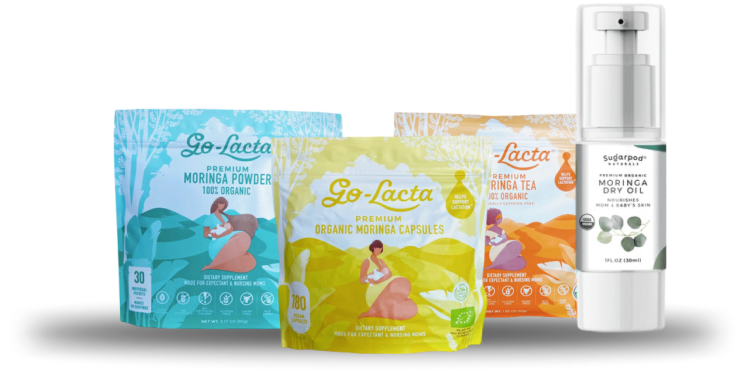
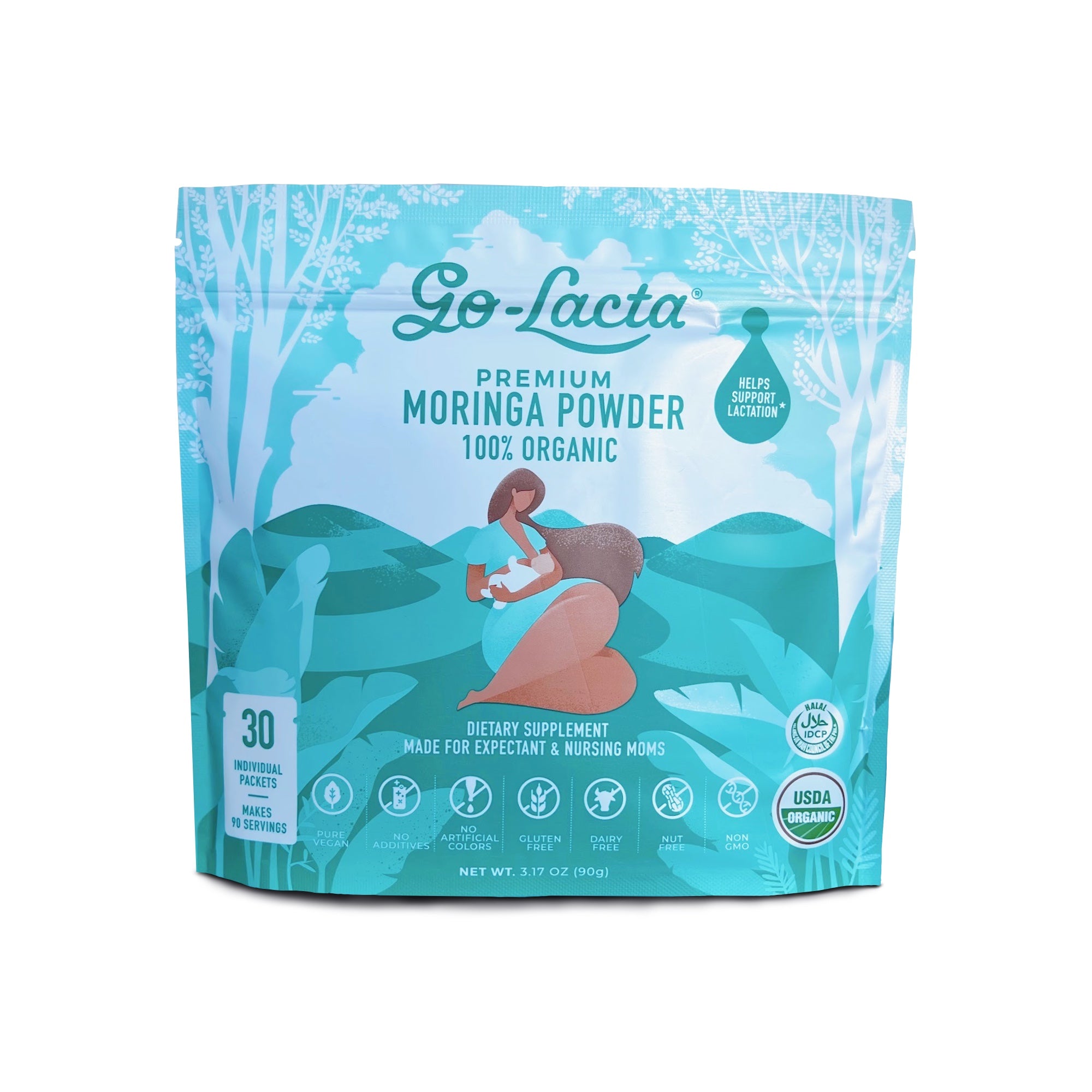
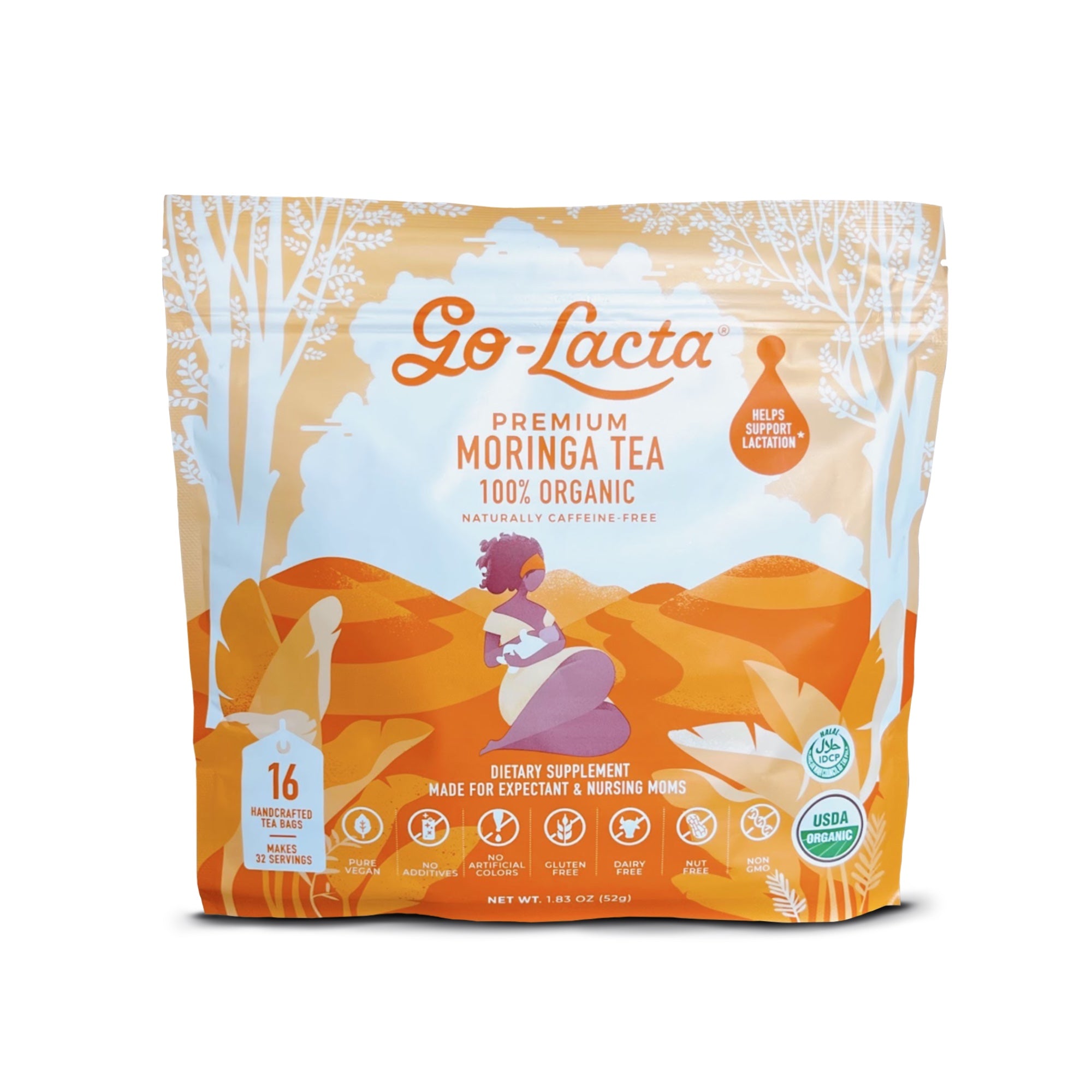
GoLacta’s Moringa products make it so easy to add them to your diet. Sip a soothing cup of Moringa tea when you need a quiet break. Take our 100% organic Moringa in capsule form, or add Moringa powder to a refreshing glass of water or to your morning smoothie.
You can also add Moringa powder to your recipes for soups, salads, and delicious breads.
Simple Recipes and Ways to Add Moringa to Meals
As a superfood, Moringa gives a nutritional boost to everything you eat. Sprinkle the powder into soups or atop salads. Mix it into a smoothie, baked goods, or even ice cream! GoLacta offers a variety of easy recipes featuring Moringa.
Expert Opinions and Research on Moringa in Pregnancy
Research on Moringa leaves has shown that it has the potential health benefits of a superfood due to its high levels of vitamins, minerals, protein, and antioxidants. It’s categorized as a “galactagogue,” a substance known to naturally stimulate the production of breast milk.
Moringa may cause digestive issues if too much is taken, such as 2 lbs of Moringa leaves. It may also interact with certain medications, including diabetes medications or blood thinners. Introduce moringa supplementation to your diet slowly.
Research continues to support moringa oleifera supplementation as a safe and effective way to fill nutritional gaps.
Frequently Asked Questions (FAQs) about Moringa and Pregnancy
Moringa has been around for centuries, used as a nutritious “superfood” and a helper for nursing moms. But as with anything taken during pregnancy, there are always a few questions. Can you use it throughout your pregnancy? Can it ease morning sickness? Can it (or should it) be taken with other supplements or medications? GoLacta offers mom-tested, 100% organic Moringa products from the Philippines and has some answers.
Can Moringa Help with Morning Sickness?
Moringa tea, made from the leaves of the Moringa plant, has often been used to treat nausea and vomiting.
Is Moringa Safe During All Trimesters?
Moringa leaves are a traditional supplement, considered safe to take during pregnancy. If you have any concerns, consult your healthcare professional.
Should Moringa Be Taken with Other Prenatal Supplements?
Moringa leaf products can support your health in all stages of pregnancy and shouldn’t interact with other supplements. If you have concerns, talk to your doctor.
Are There Any Side Effects of Taking Moringa During Pregnancy?
For most pregnant women, moringa leaves are well tolerated. However, taking too much too quickly can lead to digestive discomfort, including bloating or more frequent bowel movements, due to moringa's high fibre content. The effect of moringa on blood sugar levels is also worth noting, as it may interact with diabetes medications or blood thinners. Always introduce moringa supplements gradually and consult your healthcare provider if you notice any unusual reactions or have pre-existing conditions.
Does moringa cause miscarriage?
Moringa oleifera leaves, the part used in Go-Lacta's moringa supplements, are not linked to miscarriage. However, moringa root, bark, and flowers contain compounds that can stimulate uterine contractions, which is why these parts of the plant should be strictly avoided during pregnancy. When sourcing any moringa product, always verify it contains only moringa oleifera leaves, with no other plant parts. Go-Lacta uses 100% organic moringa leaves, making it a safe and trusted choice.
Can moringa help with morning sickness?
Many moms find that moringa tea, made from the leaves of Moringa oleifera, helps ease nausea during pregnancy. Its gentle, warming nature makes it a soothing option when food and strong smells feel overwhelming. Moringa's rich nutrient profile also helps replenish what your body loses during bouts of nausea, including essential nutrients like iron and vitamins B and C. Sipping a mild cup of Go-Lacta moringa tea in the morning is a simple, natural way to start your day with some relief.
Conclusion
As a superfood, Moringa oleifera leaves contain an abundance of vitamins, minerals, proteins, and antioxidants that are beneficial for pregnant women. Its nutritional profile makes it one of nature's most complete supports for human health during pregnancy and beyond.
Moringa can support a pregnant woman's well-being by reducing stress, boosting immunity, and, most importantly, supporting breast milk production. There are many convenient ways to work it into your daily life to support your motherhood journey.

Angela Veloso

Angela Veloso is the founder of Go-Lacta, a brand dedicated to supporting breastfeeding mothers through the power of organic Philippine Moringa. She's passionate about helping moms nourish their babies naturally with clean, science-backed lactation supplements.




Leave a Comment
Your email address will not be published. Required fields are marked *