
Moringa & Breastfeeding: How Moringa Can Increase Breast Milk Supply

Moringa & Breastfeeding: How Moringa Can Increase Breast Milk Supply
One of the most common concerns among breastfeeding mothers is not producing enough milk to feed their child. Moringa has been used for centuries to help mothers make more milk naturally, while also improving its nutritional quality. It naturally stimulates the hormones that produce breast milk. Because moringa is rich in essential nutrients, it enhances the nutritional quality of breast milk.
What is Moringa?

The Moringa oleifera tree is also known as “the miracle tree” for its rich nutrient content and numerous health benefits. The drought-resistant moringa tree is found in tropical regions in the Philippines, parts of Asia, and Africa. Every part of it, from the bark to the seeds, can be used to reap its many amazing health benefits.
For centuries, moringa leaves have been used as a rich source of nutrients and are especially helpful in treating malnutrition. The plant contains protein, vitamins, and minerals; its leaves also possess antioxidant and antibacterial properties.
One of their main uses is to support a mother's milk supply during breastfeeding. Moringa stimulates the production of the hormones prolactin and oxytocin, which help produce breast milk. In addition to increasing milk supply, moringa improves the nutritional quality of the milk.
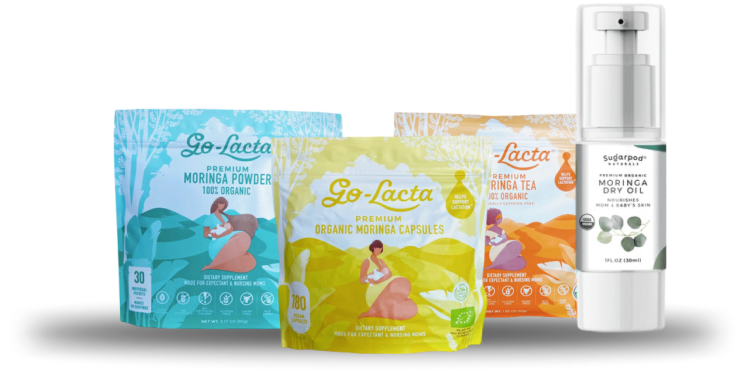
Moringa comes in many forms: from tea to powder (loose or in capsules) and the leaves themselves.
It’s a supplement that can be mixed into a smoothie or baked goods, added to salads, and taken in several other convenient ways.
What Does Moringa Taste Like?
The taste of moringa depends on which part of the plant is consumed. The seeds are initially bitter-tasting but turn sweet after drinking some water, while the root portion tastes similar to horseradish. This is why the plant is sometimes called “the horseradish tree."
Moringa leaves are the most commonly used part of the plant; they have a slightly peppery, grassy taste that pairs well with other greens like kale and spinach. They can be easily added to salads or soups. In the Philippines, it’s common to add the leaves to chicken soup.
Moringa powder has a similar taste, though some say it more closely resembles the taste and smell of green tea (as does moringa tea).
Moringa powder adds a very subtle kick to smoothies, soups, or baked goods.
How is Moringa Used for Breastfeeding?
For centuries, moringa has been used to help breastfeeding moms. Besides being rich in amino acids and other nutrients, breastfeeding supplements are used to stimulate the milk-producing hormones oxytocin and prolactin. Moringa also improves the nutritional quality of milk, thanks to its high levels of vitamins and minerals.
Moringa oil offers numerous healing properties, making it an excellent natural remedy for soothing and healing nipples during breastfeeding. It's also highly convenient to use, as it's safe for both mom and baby and requires no wiping before nursing. Since it’s food-grade, it’s gentle and non-toxic for your little one. It’s suggested that nursing mothers consult with their healthcare provider before taking moringa (or any supplement), as it may interfere with blood pressure and diabetes medications.
How Moringa May Help Increase Breast Milk Supply
For breastfeeding mothers struggling to produce enough milk, moringa offers natural, research-backed support. As a galactagogue, moringa oleifera works with the body's own hormonal systems to stimulate breast milk production without synthetic additives.
Its rich nutritional profile ensures that the benefits extend beyond volume alone, improving breast milk composition so that newborns receive better nourishment with every feed. Consistent use is key: most mothers report a noticeable difference within 24 hours to two weeks of starting moringa, particularly when combined with regular nursing or power pumping sessions to keep demand strong and flow steady.
Moringa and Lactation Hormones
Moringa stimulates prolactin and oxytocin, the two hormones responsible for breastmilk production and milk flow. Prolactin signals the body to produce more milk, while oxytocin triggers the let-down reflex that allows milk to flow to the baby. For postpartum mothers whose hormone levels are still fluctuating, moringa provides natural support to help restore balance and ensure a consistent milk supply for their newborns.
Why Breastfeeding Mothers Use Moringa
Breastfeeding mothers choose moringa for several reasons: it supports lactation hormones, delivers essential nourishment to both mother and baby, and fits easily into any routine. Unlike some other lactation supplements, moringa provides broad nutritional support in addition to milk supply benefits. Parents also appreciate that it comes in multiple forms: capsules, powder, tea, and leaves, making consistent use simple regardless of lifestyle.
What Does the Research Say About Moringa and Breastfeeding?
Anecdotal evidence over the centuries suggests that moringa is among the most effective supplements for increasing milk supply. Recent research shows that moringa leaves increased breast milk production in mothers of preterm infants. Another study revealed that women taking moringa produced more breast milk than those given a placebo.
Because it’s so nutrient-dense, studies have shown that breast milk quality improves when moringa is taken. It also strengthens the mother's immune system and increases energy during this challenging period.
When you’re preparing to give birth, it’s best to take moringa leaves while still pregnant or before the baby's delivery. A clinical study found that mothers who took Go-Lacta moringa leaf capsules before giving birth had a 200% increase in breast milk production compared to those who took placebo capsules.
How Quickly Does Moringa Increase Breast Milk Supply?
Moringa includes many nutrients and stimulates the milk-making hormones oxytocin and prolactin in breastfeeding mothers.
Every mother is different, but they can generally expect to see an increase in breast milk supply within 24 hours of taking a moringa capsule supplement.
The mother can help this process along by breastfeeding or pumping regularly. Power pumping in particular can strengthen demand and support faster results. Consistent use of moringa alongside regular nursing sessions gives breastfeeding mothers the best chance of a noticeable difference in supply.
How to Take Moringa for Increasing Milk Supply?
There are many options for taking moringa to increase breast milk supply. Moringa capsules are perhaps the most convenient, but there is also moringa powder, moringa tea, and the leaves themselves.
Fresh Moringa Leaves
Fresh moringa leaves provide natural nourishment and can be added directly to meals. Toss Moringa leaf powder into soups, stir-fries, or salads, or follow the Philippine tradition of adding it to chicken soup. For mothers who prefer whole-food sources over capsules, fresh leaves ensure the body reacts to moringa in its most natural form, with no processing required.
Moringa Capsules
Moringa capsules are the most convenient way to ensure consistent use, especially for busy mothers in the early postpartum weeks. Follow the dosage instructions: typically one capsule taken two to six times daily with meals, and adjust based on how your body reacts and your milk supply responds. Taking capsules at breakfast, lunch, and dinner makes it easy to remember.
Moringa Tea
Moringa tea is caffeine-free, refreshing, and easy to enjoy any time of day or night. Steep and sip it warm, or add ice for a refreshing cold option. Beyond lactation support, the added hydration from moringa tea directly supports breast milk production. Fluid intake is one of the most important factors in maintaining flow and ensuring newborns receive enough milk consistently.
Moringa Powder
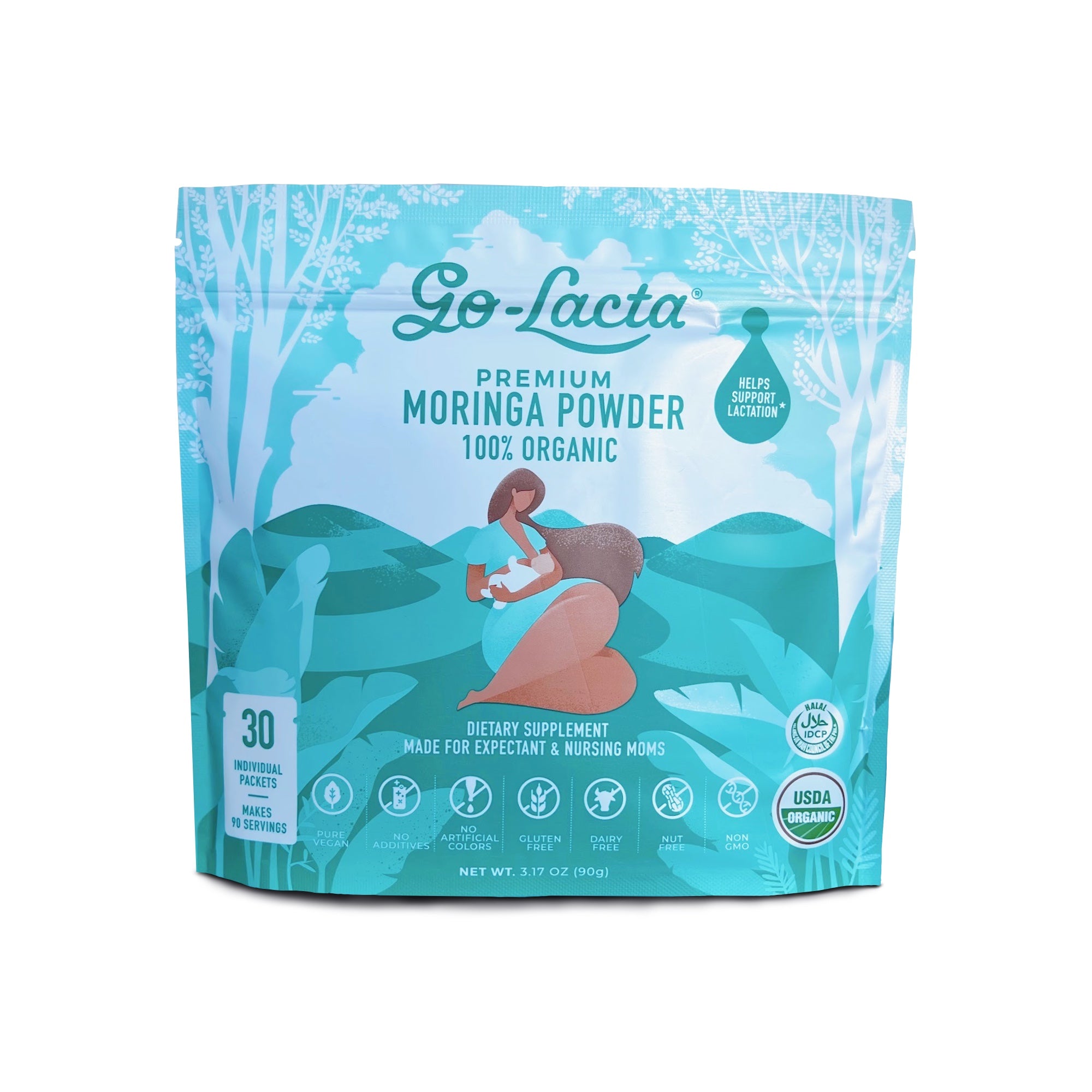
Moringa powder blends seamlessly into smoothies, soups, sauces, and baked goods, making it one of the most versatile forms for consistent use. Join the many breastfeeding mothers who add a scoop to their morning smoothie or stir it into yogurt for an easy daily dose. Because it dissolves easily into warm dishes, it's simple to combine moringa powder with other nourishing ingredients without altering the flavor of your meals.
Are There Any Side Effects of Consuming Moringa Leaves While Breastfeeding? Breastfeeding?
Because of its high fiber content, taking large quantities of moringa may cause loose stools. But this effect is only seen at high doses, for example, 5000mg a day or 3 cups a day. Moringa leaves may naturally lower one’s blood sugar, and it is best to consult a doctor before starting with moringa breastfeeding supplements.
Begin slowly and observe how your body reacts before increasing your dosage. Moringa leaves are high in vitamin K; when taken with blood-thinning medication, your healthcare provider may need to make adjustments.
Begin slowly to determine how your body will respond to moringa breastfeeding supplements.
Moringa vs Other Lactation Supplements
Not all moringa is created equal, and not all lactation supplements provide the same results. When comparing options, breastfeeding mothers should consider both efficacy and nutritional value.
Moringa stands apart from most other lactation supplements because it supports milk supply while simultaneously delivering vitamins, minerals, essential amino acids, and antioxidants that replenish what pregnancy and nursing deplete.
Moringa's dual role as a natural galactagogue and nutritional superfood makes it one of the most comprehensive options available for mothers who are combo feeding or managing low supply alongside other challenges.
Moringa vs Fenugreek
Both moringa and fenugreek are natural galactagogues, but they differ significantly in side effects and nutritional value. Fenugreek can cause loose stools, gas, and a maple syrup odor, and may change the taste of breast milk, affecting how newborns feed. Moringa rarely triggers these issues and provides far broader nourishment, making it the preferred choice for most breastfeeding mothers seeking consistent, comfortable lactation support.
Moringa vs Oat Supplements
Oat-based lactation supplements are often described as a gentle, food-based option for supporting milk supply, but they offer limited nutritional depth compared to moringa. While oats offer fiber and some iron, moringa delivers a far more comprehensive profile of vitamins, minerals, essential amino acids, antioxidants, and proven galactagogue properties combined. For mothers looking to ensure their supplement does more than one thing, moringa is the stronger choice.
Which Lactation Supplement Works Best?
The best lactation supplement is one that supports milk supply, suits your lifestyle, and provides genuine nourishment, not just volume. For most breastfeeding mothers, moringa meets all three criteria. It naturally stimulates prolactin, improves breast milk composition, and comes in forms that make consistent use easy. Whether you prefer capsules, powder, tea, or fresh leaves, Go-Lacta's organic moringa line offers parents reliable options, rooted in generations of traditional use and backed by clinical research.
FAQ
How much Moringa should I take to increase milk supply?
A standard starting point is one to two moringa capsules taken two to three times daily with meals, though instructions suggest this can be adjusted based on how your body reacts and your milk supply responds. Most mothers find that consistent use over several days yields a noticeable difference. Consult your healthcare provider to confirm the right dosage for your situation.
Can I take Moringa during the first week after birth?
Yes. Many breastfeeding mothers begin taking moringa within the first 24 hours after delivery to help establish supply early. Clinical studies show that mothers who started moringa before birth saw significant increases in breast milk volume. Ensure you follow dosage instructions and consult your healthcare provider if you have concerns, particularly if you are on blood pressure or diabetes medications.
How quickly does Moringa increase breast milk supply?
Most breastfeeding mothers report a noticeable difference in milk supply within 24 hours of their first dose, with more consistent results building over several days of regular use. Power pumping alongside moringa supplementation can help strengthen demand and accelerate results.
What is the best form of Moringa for breastfeeding?
The best form depends on your routine. Capsules provide the most precise dosage and are easiest to combine with meals. Powder offers flexibility; mix it into smoothies, soups, or baked goods for a seamless daily dose. Tea adds hydration alongside lactation support. Fresh leaves suit mothers who prefer whole-food nourishment.
Can I take Moringa with other lactation supplements?
Moringa can generally be combined with other lactation supplements, but it's best to consult a healthcare provider before doing so. Some mothers choose to combine moringa with brewer's yeast or oat-based supplements for added support.
Are there side effects of taking Moringa while breastfeeding?
Side effects from moringa are rare when taken as directed. Because of its high fiber content, taking large quantities, for example, 5,000 mg or more per day, may cause loose stools or digestive discomfort as the body reacts to the increase in fiber.
Conclusion
For centuries, moringa has been used successfully to help improve breastfeeding. Packed with nutrients, it helps breastfeeding mothers provide better nourishment for their newborns by supporting milk flow and improving breast milk composition.
Consistent use is what drives a noticeable difference. Most mothers begin to see a difference in supply within 24 hours. To ensure the best results, combine moringa with regular nursing or pumping and follow dosage instructions carefully.
Reactions to moringa leaves are generally few. Moringa leaves are a pure vegetable and a food, but taking too much at once may cause some digestive issues. Moringa breastfeeding supplements are effective, but you may need to adjust your dosage when taking them, as they may interfere with diabetes and blood-thinning medications. It’s wise to check with your doctor first.

Angela Veloso

Angela Veloso is the founder of Go-Lacta, a brand dedicated to supporting breastfeeding mothers through the power of organic Philippine Moringa. She's passionate about helping moms nourish their babies naturally with clean, science-backed lactation supplements.




Leave a Comment
Your email address will not be published. Required fields are marked *